Оставить заявку
Заполните форму, и наш специалист проконсультирует вас по всем вопросам
Заказать услугу
Заполните форму, и наш специалист проконсультирует вас по всем вопросам
Trimiteți cererea
Completați formularul și specialistul nostru vă va consulta cu privire la toate întrebările
Comandați un serviciu
Completați formularul și specialistul nostru vă va consulta cu privire la toate întrebările
Submit a request
Fill out the form, and our specialist will provide a consultation on all your questions
Order a service
Fill out the form, and our specialist will provide a consultation on all your questions

How to Get Rid of Spiders in Your Home and Prevent Them from Coming Back
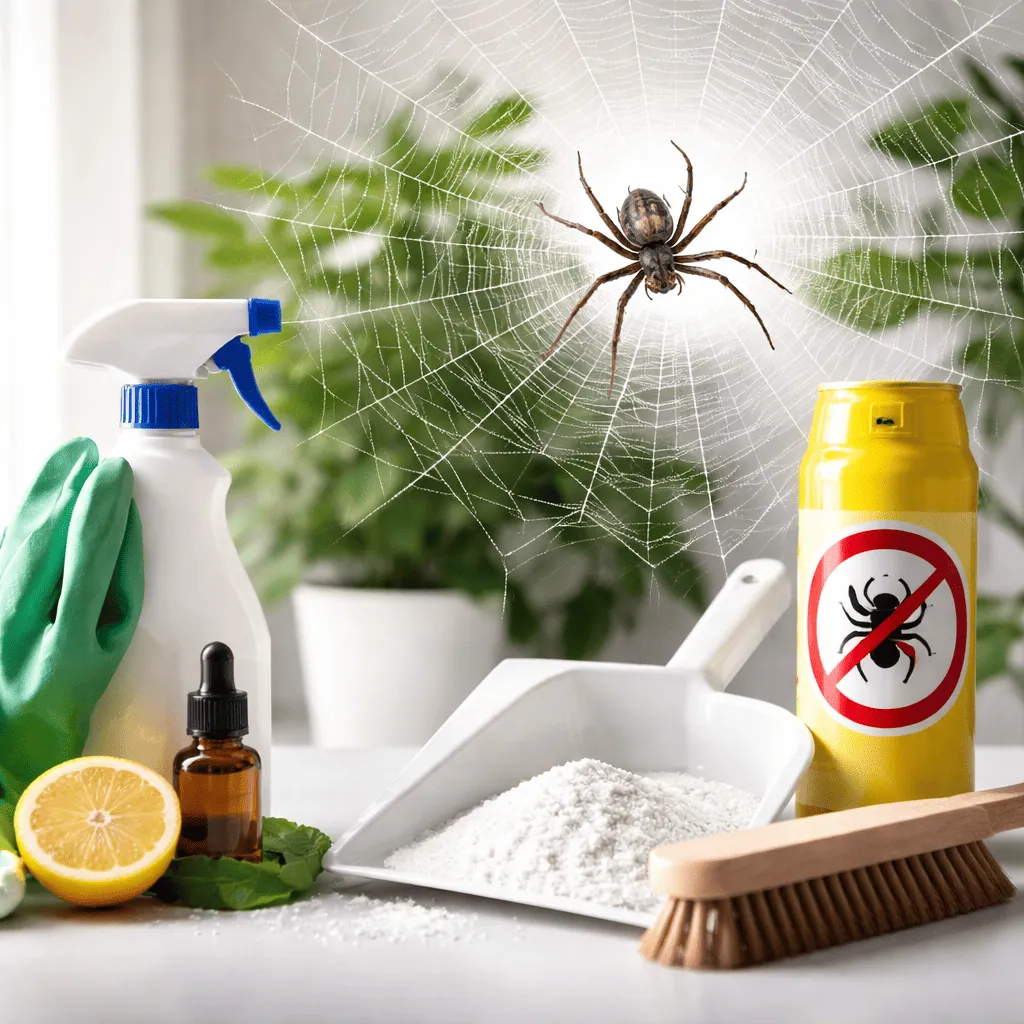
Spiders can appear even in a clean and well-maintained home. It often starts with a web in a corner or behind furniture, and over time it feels like the problem keeps returning. Simply removing spider webs or using a spray rarely solves the issue for long. To truly get rid of spiders in your home, it’s important to understand why they appear and which actions lead to lasting results.
Getting rid of spiders usually requires more than a single step. Cleaning and basic prevention can reduce their numbers, but household and natural remedies often work only temporarily. When spiders appear regularly or in large numbers, a long-term solution requires a systematic approach that addresses both the spiders themselves and the conditions that allow them to return.
Getting rid of spiders usually requires more than a single step. Cleaning and basic prevention can reduce their numbers, but household and natural remedies often work only temporarily. When spiders appear regularly or in large numbers, a long-term solution requires a systematic approach that addresses both the spiders themselves and the conditions that allow them to return.
Why Spiders Appear in the House
Spiders don’t enter homes by chance. They are attracted to places where they can find food and shelter. The main reason is the presence of other insects—flies, moths, mosquitoes, and small bugs—which serve as their food source.
They also prefer dark, rarely cleaned areas such as corners, spaces behind furniture, under skirting boards, storage rooms, balconies, and basements. Cracks in walls, gaps around windows and doors, and ventilation openings make it easy for spiders to get inside. High humidity further increases the chances of infestation. This is why the presence of spiders is usually linked to indoor conditions rather than poor cleanliness alone.
They also prefer dark, rarely cleaned areas such as corners, spaces behind furniture, under skirting boards, storage rooms, balconies, and basements. Cracks in walls, gaps around windows and doors, and ventilation openings make it easy for spiders to get inside. High humidity further increases the chances of infestation. This is why the presence of spiders is usually linked to indoor conditions rather than poor cleanliness alone.
What You Can Do Right Away
If spiders have already appeared, a few immediate actions can noticeably reduce their activity:
- Remove all spider webs completely, including those in corners and behind furniture;
- Vacuum skirting boards, corners, and hard-to-reach areas;
- Check storage spaces, balconies, and basements;
- Reduce insects by removing food remnants and other attractants.
How to Prevent Spiders from Returning
Even after cleaning, spiders will come back if access points remain open. Prevention is key to long-term control.
- Seal cracks and gaps in walls, around pipes, windows, and door frames;
- Install window screens where possible;
- Inspect ventilation openings and entry points;
- Reduce outdoor lighting near windows, which attracts insects at night;
- Keep basements, storage rooms, and balconies tidy and dry.
Natural and Household Remedies: What to Expect
Essential oils, vinegar, and baking soda are often used to repel spiders without chemicals. These solutions can be effective in specific areas, especially when spiders appear occasionally.
However, it’s important to understand their limitations:
However, it’s important to understand their limitations:
- They repel rather than eliminate spiders;
- The effect is usually short-term;
- Without proper prevention and insect control, spiders tend to return.
Chemical Products and Insecticides
When spider activity increases, many people turn to sprays and insecticides. These products can deliver quick results, but improper use poses risks, especially in homes with children or pets.
In addition, many household insecticides work only on exposed surfaces and fail to reach hidden areas where spiders hide. Without addressing the underlying conditions, the effect is often temporary. That’s why effective spider control requires more than a single chemical treatment.
In addition, many household insecticides work only on exposed surfaces and fail to reach hidden areas where spiders hide. Without addressing the underlying conditions, the effect is often temporary. That’s why effective spider control requires more than a single chemical treatment.
Why the Problem Keeps Coming Back
In most cases, recurring spiders are the result of incomplete action:
- Webs are removed, but entry points remain open;
- Insects are not eliminated;
- Hidden areas are left untreated;
- Only one room is addressed while the source is elsewhere.
When Professional Treatment Is Needed
DIY methods usually stop working when:
- Spiders appear frequently;
- Their numbers increase quickly;
- The source is a basement, technical area, or shared space;
- Other pests are present as well.
Which Methods Are Most Effective
Method | Result | How Long It Lasts |
Cleaning and web removal | Quickly reduces activity | Short-term |
Preventive measures | Blocks access and conditions | Long-term |
Natural remedies | Repels spiders | Temporary |
Household insecticides | Fast visible effect | Often temporary |
Professional treatment | Addresses root causes | Long-lasting |
How to Maintain the Results
To keep spiders from returning:
- Kegularly inspect corners and hidden areas;
- Keep storage spaces clean and organised;
- Control humidity levels;
- Reduce insect activity indoors.
Other articles
Effective pest control


© 2026 Profilactix.